Artificial Intelligence (AI) research has been at the forefront of technological advancement for decades, continuously evolving to enhance human capabilities and automate complex processes. From early rule-based systems to modern deep learning models, AI research has progressed in ways that impact nearly every industry. My own use of AI, whether for writing, productivity, or research, reflects this evolution and highlights the practical applications of these innovations in daily life.
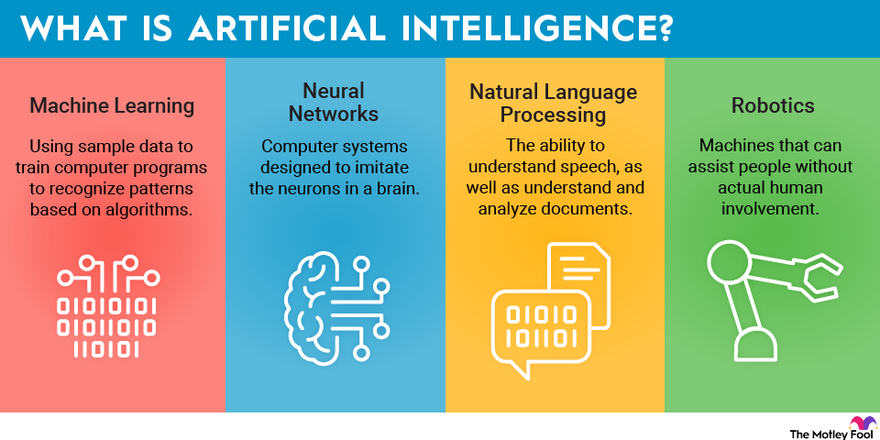
AI research encompasses a wide array of disciplines, including machine learning, natural language processing (NLP), computer vision, and robotics. Early AI systems relied on explicitly programmed rules, but modern AI is largely driven by data and pattern recognition. Deep learning, a subset of machine learning, has led to groundbreaking developments, such as GPT (Generative Pre-trained Transformer) models, which excel in language understanding and generation. These models, trained on vast amounts of text, can generate human-like responses, translate languages, and even assist in creative writing.
One of the most exciting areas of AI research today is reinforcement learning, which enables systems to learn through trial and error. This approach has been used to develop advanced robotics, self-driving cars, and even AI agents that can outperform humans in strategic games like chess and Go. Additionally, ethical AI research has become crucial in addressing bias, transparency, and accountability, ensuring that AI is used responsibly. Another significant advancement is multimodal AI, which integrates text, images, and even audio to enhance human-computer interaction. AI can now analyze emotions in text, generate lifelike images from descriptions, and even compose music. These developments pave the way for more intuitive and accessible AI applications across industries.

As a writer, I leverage AI tools to streamline my creative and professional work. AI-powered writing assistants help me refine ideas, check grammar, and optimize content for clarity and engagement. With my proficiency in AP Style writing and experience as a self-published author, AI acts as a support system, allowing me to focus on storytelling and high-quality content creation.
AI also plays a crucial role in improving productivity. From generating outlines to summarizing research articles, AI tools help me manage time effectively, especially when working on tight deadlines. Additionally, AI-driven language models assist in overcoming writer’s block by offering suggestions or alternative phrasing.
Beyond writing, I use AI for communication and organization. AI-powered transcription tools help convert spoken words into text, while AI-based scheduling assistants manage my workflow efficiently. These applications demonstrate how AI can enhance independent work, especially when balancing multiple projects.
Despite AI’s benefits, I remain mindful of ethical considerations. While AI can provide valuable insights, human judgment remains essential in ensuring accuracy, fairness, and originality. I also acknowledge AI’s limitations, such as potential biases in generated content, reinforcing the need for careful oversight.
AI research continues to revolutionize various fields, and my own AI usage reflects its practical applications in writing, productivity, and communication. By leveraging AI tools responsibly, I can enhance my efficiency while maintaining creative control. As AI technology evolves, I look forward to exploring new ways it can support my work while ensuring ethical and high-quality outcomes.


Comments
Post a Comment